AI Email Marketing for Small Business: How to Personalise at Scale Without a Team
May 02, 2026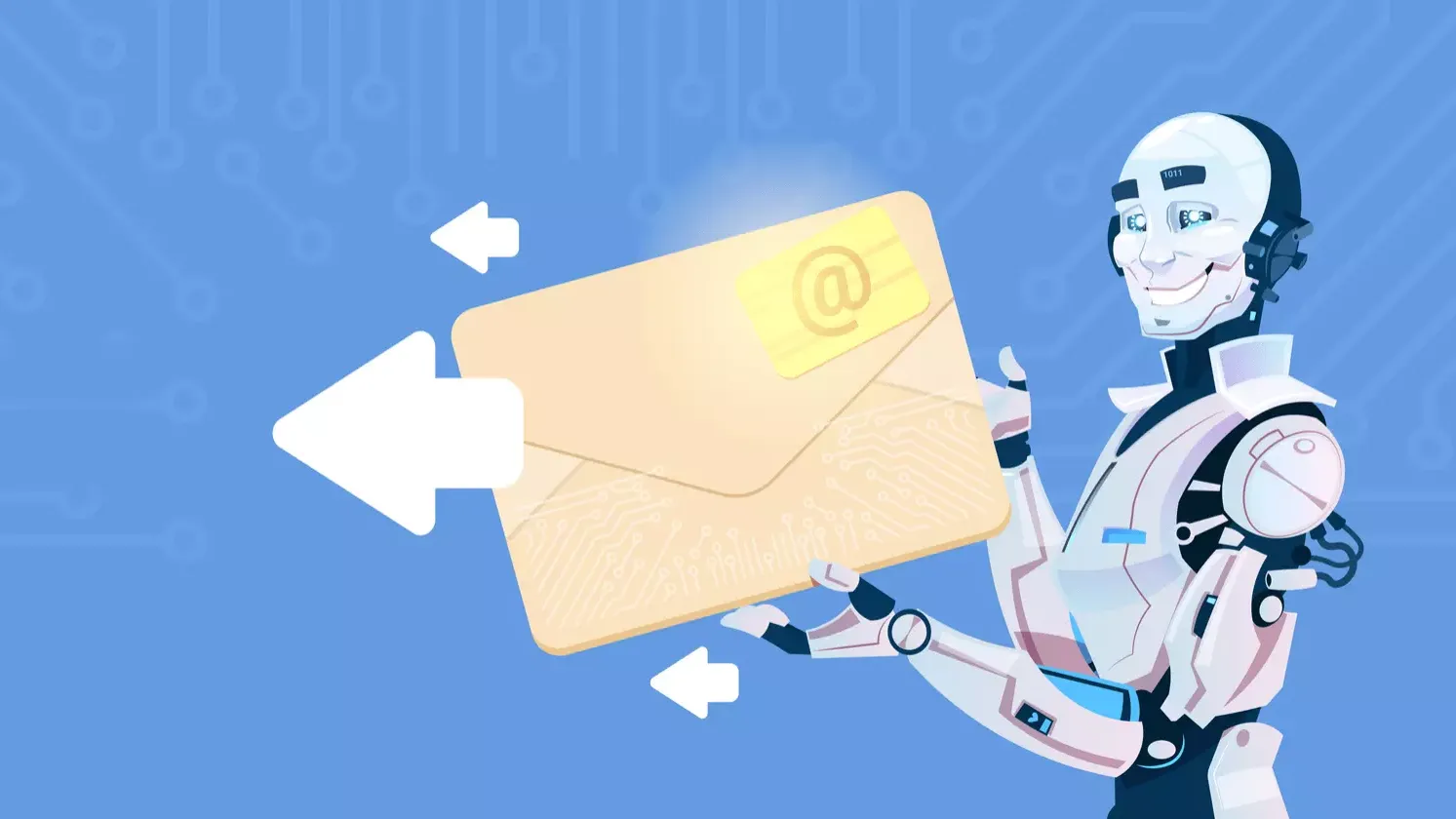
Last updated: April 2026 · Written by 20 Minute Marketing · 9 min read
Email marketing delivers the highest ROI of any digital marketing channel — according to Campaign Monitor's Email Marketing Benchmarks, the average return is $42 for every $1 spent. But that ROI assumes your emails are relevant to the person receiving them. A generic "Dear Customer" blast to your entire list in 2026 won't get you anywhere near that return. People expect personalisation. AI has made delivering that level of personalisation accessible to businesses without a dedicated email team.
Why Email Personalisation Matters More Than Ever in 2026
📘 Want the full picture? Read our small business email marketing — the complete pillar guide this article is part of.
Google and Yahoo's 2024 sender requirements changed the email landscape. Senders who don't meet deliverability standards — proper authentication, easy unsubscribe, low spam complaint rates — find their emails going to spam. One of the fastest ways to damage your sender reputation is to send irrelevant content that people mark as spam. Personalisation directly protects your deliverability: when people receive relevant emails, they open them, click them, and stay subscribed. According to HubSpot's Email Marketing Statistics, personalised emails generate 6x higher transaction rates than non-personalised emails.
Level 1: Basic Personalisation With AI
Name Personalisation
Every email platform supports first-name personalisation (Dear {{first_name}}). If you're not doing this, start today. It's the minimum threshold. But name personalisation alone is table stakes in 2026 — it's expected, not differentiating.
AI-Powered Subject Line Generation
Your subject line determines whether your email gets opened. Use this prompt: "Write 10 subject line options for an email about [your topic and offer]. My audience is [description]. Tone: [your tone]. Include: curiosity-driven, benefit-focused, urgency, and question-based lines. Keep each under 50 characters. Flag which you'd recommend and why." Test two options against each other using your platform's A/B testing feature.
AI-Powered Preview Text
Preview text (visible below the subject line in most email apps) is one of the most underused conversion tools. Most small business owners leave it blank. Prompt: "Write preview text for this subject line: [your subject]. It should add new information (not repeat the subject), create additional curiosity or urgency, and be under 90 characters."
Level 2: Segmentation With AI
What Is Segmentation and Why Does It Matter?
Segmentation means sending different emails to different subgroups of your list. A new subscriber who just signed up gets a different welcome sequence from someone who has bought from you twice. According to Mailchimp's data on segmented campaigns, segmented email campaigns see 14% higher open rates and 100% higher click rates than non-segmented campaigns.
How to Segment With AI Assistance
"Write a version of this email for [segment 1 — e.g., new subscribers who haven't bought yet] and a separate version for [segment 2 — e.g., existing customers]. The core message is [your offer], but the angle, language, and specific pain points mentioned should be different for each." The AI adapts the message; you set the strategic direction.
Level 3: Automated Email Sequences With AI
The Welcome Sequence
"Write a 5-email welcome sequence for new subscribers to my [business type] email list. Goals: Email 1 — warm welcome, deliver promised lead magnet, introduce yourself. Email 2 (3 days later) — deliver genuine value, a tip your best customers know. Email 3 (5 days later) — share a customer success story. Email 4 (8 days later) — introduce a relevant paid offer. Email 5 (12 days later) — ask for a reply or engagement, soft CTA to book a call. Write all five in [your tone]. Kiwi English."
The Re-engagement Sequence
"Write a 3-email re-engagement sequence for subscribers who haven't opened my emails in 90 days. Email 1 — genuine warm check-in with clear value offer. Email 2 (5 days later) — different angle, stronger value. Email 3 (10 days later) — final email making clear this is their last chance to stay subscribed. All emails honest, direct, and human-sounding. No hard sell."
AI Tools for Email Marketing
For most small businesses: your email platform (Mailchimp, Klaviyo, ActiveCampaign, or Kit) + ChatGPT or Claude for all copy. You don't need to pay for expensive AI-powered email platforms. Your existing platform plus a good AI writing tool covers 90% of what those platforms offer. Our guide to choosing the best email marketing platform for NZ small business covers the platform comparison in detail.
Email marketing — including AI-assisted personalisation, segmentation, and automation — is covered in full in our Digital Marketing Essentials Course. For a broader strategy, our email marketing strategy guide for small business covers the full framework.
Getting Started: Your First AI-Personalised Email
This week, take your next planned email and run it through this process: draft the email briefly yourself, paste the draft into ChatGPT or Claude with the context prompt from earlier, and ask it to rewrite the email with a more personalised, conversational tone that speaks directly to [your specific audience segment]. Compare the two versions. In most cases, the AI-refined version will be significantly more compelling. That's the starting point — not a replacement for your thinking, but a significant upgrade to your output.
Get the complete digital marketing system built for NZ small business.
Try the Essentials Course →Ready to put email on autopilot?
The 20 Minute Marketing course walks you through every sequence, automation and list-building tactic — built for owners with no time to spare.
Built for time-poor NZ small business owners.
You'll never need a Marketing Agency again!
Digital Marketing Courses that teach you more than an Agency ever could (or would!)